Surf Rock's Second Life
The surf rock revival: punk kept the reverb warm, Pulp Fiction sold it, Man or Astro-man? and Los Straitjackets rebuilt it, and Europe took it over.
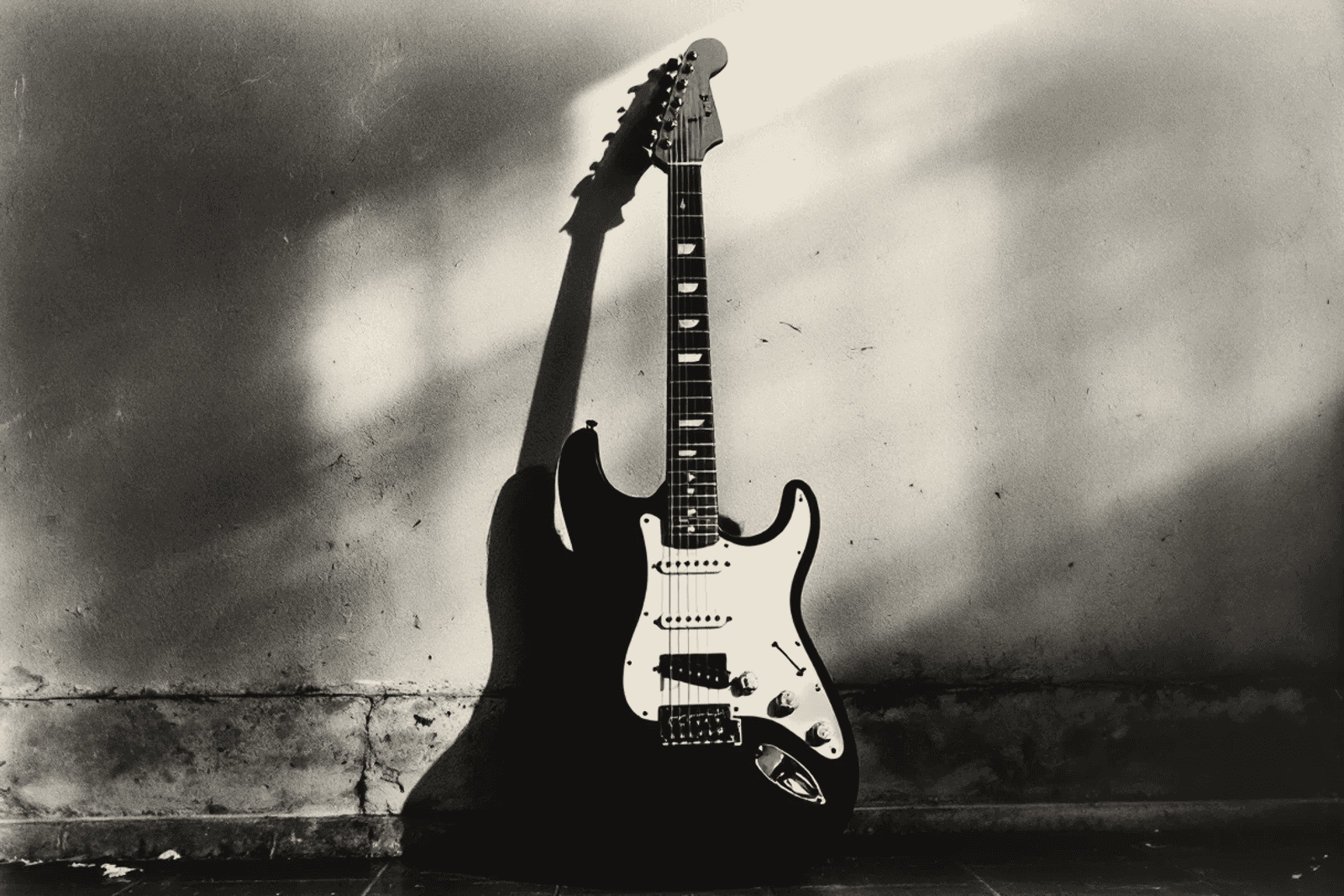
Surf rock never needed reviving so much as rediscovering, because punk had been quietly running the same equipment for years. Agent Orange were covering “Miserlou” at hardcore speed in the early 1980s. East Bay Ray built the Dead Kennedys’ guitar sound out of surf reverb and spy-film echo, which is why records about Californian politics sound like Californian beaches. The Cramps drenched everything in the same wash and pointed it at horror films.
None of those bands were doing surf as a costume. They wanted the tone because the tone is menacing, which is the thing the 1963 marketing department never noticed while selling it as sunshine.
The purists came first, and nobody noticed
Around the turn of the 1980s a small scene in Los Angeles started playing the original repertoire straight, Jon and the Nightriders and the Surf Raiders among them. It was archival work more than reinvention, and it kept the songs in circulation for a decade in which almost nobody else was interested. Worth respecting, not necessarily worth putting on. The revival that mattered came from people who had no intention of being reverent.
1994, and what the film cost
Pulp Fiction opens with Dick Dale’s “Misirlou” and closes with the Lively Ones’ “Surf Rider”, with the Tornadoes and a couple of Link Wray instrumentals along the way. It is a genuinely good compilation of the genre, chosen with more care than film soundtracks usually get.
What it did for Dale was give him a second working life; he toured almost to the end, dying in 2019. What it did to everyone else was turn reverb guitar into instant shorthand for retro cool, which is how the sound ended up in car advertising and how a generation came to assume surf is a mood board rather than a genre. Both things are true at once. The film funded a scene it also flattened.
Man or Astro-man?
Formed in Auburn, Alabama in the early 1990s, insisting in interviews that they were from space, and playing surf instrumentals at a speed that owes more to hardcore than to 1963. Their records came out on Estrus, the Bellingham garage label, and later on Touch and Go, which tells you which audience actually claimed them.
The gimmick was thick: stage names, film dialogue samples between every track, a live show with oscilloscopes and eventually a tesla coil. Underneath it they were tight, fast and surprisingly serious about tone. They stopped, came back in the 2010s, and the reunion records are better than reunion records are supposed to be. Start anywhere in the early catalogue; the sequencing barely matters because every track is ninety seconds and the samples do the arranging.
Los Straitjackets
Nashville, masks, and the best songwriting anybody has brought to instrumental surf since the boom. Eddie Angel and Danny Amis started them in the late 1980s, and their first album arrived in 1995 with a title too long to say aloud.
The luchador masks got them attention and have probably cost them credibility with people who think seriousness looks a certain way. Ignore that. What they can do is write a melody that stays with you, which is the hardest thing in a genre with no lyrics to lean on and the thing most surf bands cannot do at all. They have since backed Nick Lowe on the road and made an album of his songs, and they remain one of the few bands in this world that a person who does not care about surf will sit through happily.
The scene stopped being Californian
The strongest instrumental surf of the last thirty years is largely not American. Laika and the Cosmonauts came out of Finland with a control of dynamics that most of their contemporaries lacked. The Bambi Molesters, from Sisak in Croatia, wrote proper tunes and recorded them cleanly. Messer Chups, out of St Petersburg, turned the whole thing into horror lounge and kept a straight face.
The American end of the 1990s revival held up too: Satan’s Pilgrims in Portland, the Bomboras with the organ pushed forward, the Ghastly Ones playing it as monster movie, the Phantom Surfers playing it as deadpan comedy, and the Mermen in San Francisco stretching it into something long, drifting and psychedelic that barely counts as surf and is better than most things that do.
Today the circuit runs through festivals more than radio, with the annual Surfer Joe event in Livorno acting as the scene’s reunion, and labels like Double Crown and Dionysus doing the unglamorous work of keeping records in print. If you make this stuff now, send it to us; we would rather hear a new band than argue about 1963 again.
Where it sits now
Small, healthy and permanently at risk of becoming a costume. The failure mode is a competent band with the correct guitars playing “Pipeline” at a car show, and there are a lot of those. The good current bands are the ones writing rather than curating: the Surfrajettes in Toronto have actual pop instincts, and Daikaiju, from Alabama, are a live proposition first, playing on top of the crowd with the drums on fire. We have not heard everything either group has released and will not pretend a verdict on records we have only read about.
The honest summary is that surf became a folk music. It has a repertoire everyone knows, a small international network of people who play it, and no interest in a mainstream that stopped calling forty years ago. That is a better outcome than most 1963 fads managed.
Working out where to begin is easier with the essential records in front of you, and the gear that makes all of this possible is covered in how surf rock got its sound. The wider background sits on the surf rock hub.
This is also the same story happening one genre over, with different guitars and worse manners, in the garage rock revival. And several of the bands named above turn up in our archive of sixteen defunct underground radio shows, which is where we found some of them in the first place.
Frequently asked questions
- When did surf rock come back?
- It never fully left. A small purist revival ran in Los Angeles around 1980, punk bands kept using the reverb throughout the decade, and the visible return came in the 1990s with Man or Astro-man?, Los Straitjackets and the Pulp Fiction soundtrack in 1994.
- Who are the best modern surf rock bands?
- Los Straitjackets for songwriting, Man or Astro-man? for velocity, the Mermen for atmosphere, Daikaiju for sheer chaos live, and the Bambi Molesters and Laika and the Cosmonauts for proof that the sound travelled well beyond California.
- Did Pulp Fiction start the surf revival?
- No, but it funded it. The bands were already working when the film came out in 1994. What it changed was Dick Dale's touring career and the general public's assumption that reverb guitar means retro cool.